A really common problem
Constipation is something many women live with for years, often without mentioning it to anyone. What most people don’t realise is how closely it’s linked to the pelvic floor, and how much the two can affect each other.
If you regularly strain, feel you haven’t fully emptied your bowels, or find going to the toilet uncomfortable, your pelvic floor may be part of the picture.
How your pelvic floor helps you empty your bowels
Your pelvic floor muscles help keep you continent by holding on. When you go to the toilet, they need to do the opposite: relax and lengthen so that stool can pass easily.
At the same time, your tummy muscles and diaphragm provide a gentle push. When everything works together, emptying your bowels should be easy and shouldn’t need much effort.
How the two affect each other
The connection works both ways.
- A pelvic floor that can’t relax makes it harder to empty your bowels. If the muscles tighten instead of letting go, it can feel like pushing against a closed door. This is sometimes called dyssynergia, and it’s closely linked to an overactive pelvic floor.
- Long-term straining puts repeated pressure on the pelvic floor. Over time this can weaken the muscles and supporting tissues, and is a risk factor for pelvic organ prolapse.
- A full bowel can press on the bladder, adding to urgency, frequency and difficulty emptying.
Signs your pelvic floor may be involved
- straining or holding your breath to open your bowels
- feeling you haven’t completely emptied
- needing to change position, or press around your vagina or perineum, to help stool pass
- pain or discomfort when opening your bowels
- bladder urgency or leaking alongside constipation
If you notice a change in your bowel habit that lasts more than a few weeks, bleeding from your bottom, unexplained weight loss or ongoing tummy pain, please see your GP so these can be checked.
Simple things that can help
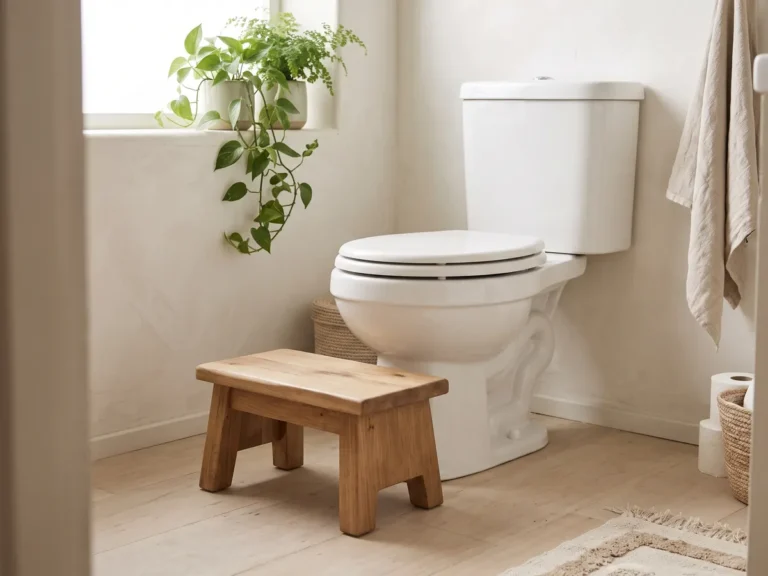
- Get your position right. Sit fully on the toilet with your feet raised on a small stool so your knees are higher than your hips. Lean forward with your elbows on your knees.
- Breathe, don’t strain. Let your tummy relax and soften, and breathe out gently rather than holding your breath.
- Don’t rush or ignore the urge. Give yourself time, and try to go when your body tells you to.
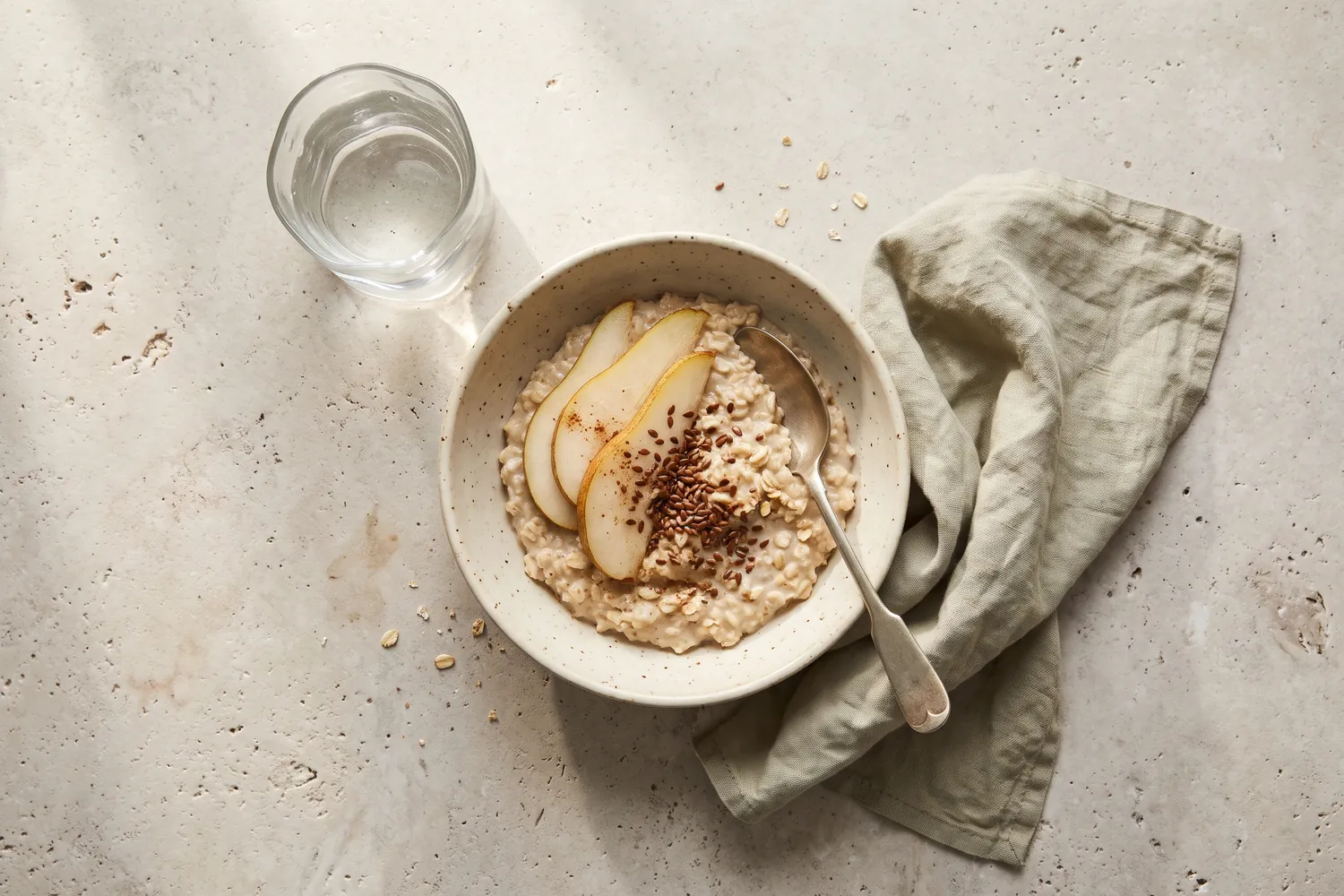
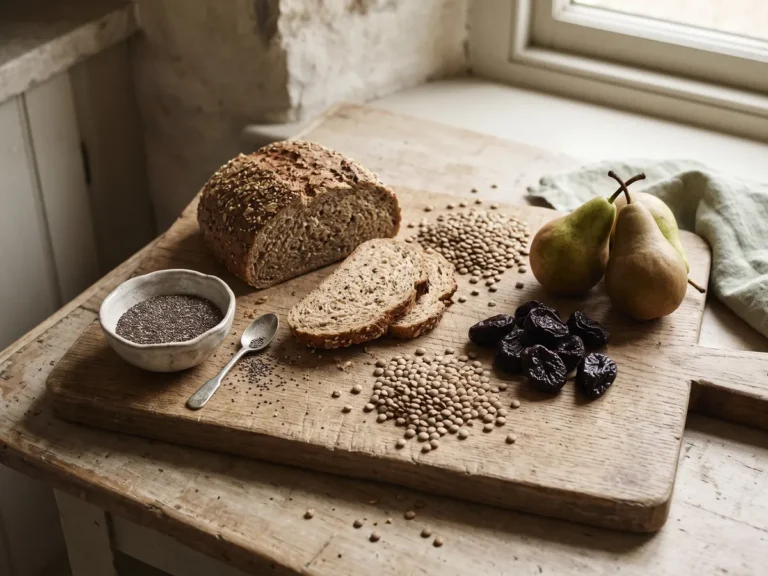
- Fibre and fluids. Aim for plenty of fibre from fruit, vegetables, oats and wholegrains, and drink enough that your urine is pale straw-coloured.
- Keep moving. Regular activity helps your bowel work well.
How physiotherapy can help
As a women’s health physiotherapist, I’ll assess how your pelvic floor is working, including whether it relaxes properly when you need it to. Treatment may include:
- toilet positioning and breathing techniques
- pelvic floor relaxation and coordination retraining
- abdominal massage to support bowel movement
- advice on habits, fibre and fluids
- strengthening, where it’s needed
You don’t have to put up with it
Constipation is common, but it isn’t something you should have to struggle with. Small changes, alongside the right pelvic floor support, can make a big difference.
Book a Pelvic Health Assessment in Saffron Walden.