
Services
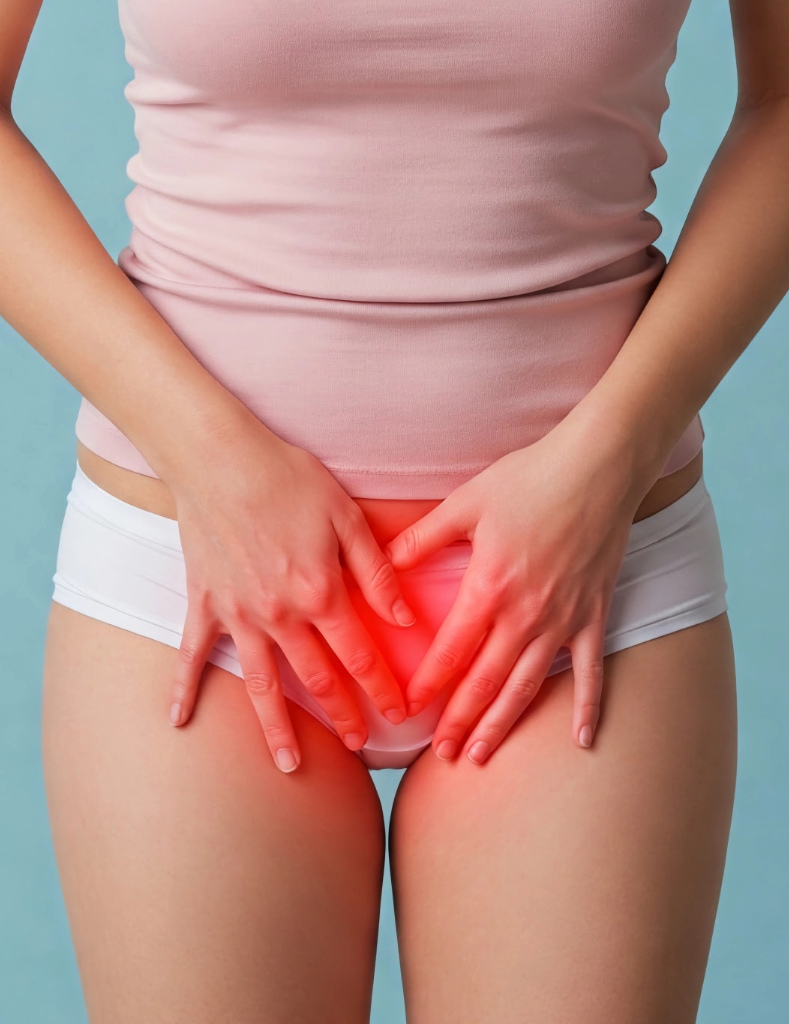
GYNAECOLOGY
This is why we need to talk about women's health!
According to the Royal College of Obstetricians and Gynaecologists (RCOG), over 60% of UK women report at least one symptom of pelvic health problems. Despite this, 55% of women have never done pelvic floor exercises, and about 69% have not spoken to anyone in the NHS about their pelvic floor health.
Pelvic health physiotherapy is the most effective, evidence-based ways to treat pelvic floor problems - and for many women, it can completely resolve symptoms or dramatically improve quality of life. Whether the issue is urinary leakage, prolapse or pain during sex, we will sensitively discuss the problem with you, and offer an (optional but encouraged) internal examination of your pelvic floor muscles to get a full understanding of the problem. We will also discuss any relevant medical conditions, and work out what goals you would like to work towards.
I will help you understand and manage the following conditions:
- Stress urinary incontinence
- Overactive bladder
- Recurrent urinary tract infections
- Pelvic organ prolapse
- Pelvic pain
- Endometriosis
- Menopause conditions
- Painful sex
- Faecal or flatal incontinence
- Rehab pre / post gynaecological surgery

Pregnancy Care
Pregnancy places unique physical demands on the body which can create aches and pains as well as bladder, bowel and pelvic floor dysfunction. Physiotherapy is a safe, evidence-based approach to help women manage several pregnancy related conditions.
Conditions I treat:
- Pelvic girdle pain
- Back pain, and joint instability
- Pelvic floor dysfunction
- Pelvic organ prolapse
- Bladder and bowel incontinence
- Diastasis recti (abdominal separation)
- Rib pain
- Preparing for labour and birth
- Support for active lifestyles
We know that active mums recover faster after delivery but finding the right type of exercise for you can be challenging, especially if you are struggling with medical complications. I can guide you and modify exercise, so you stay strong and comfortable throughout pregnancy.
Post natal physiotherapy - Mum MOT
A Mum MOT is a specialist postnatal examination for women following both vaginal and C-section deliveries. I will assess how your posture, pelvic floor muscles and stomach muscles are recovering after childbirth. I will teach you gentle exercises and treatment to help with your recovery – and get you back on track with your fitness goals.
The Mum MOT includes:
- A full postural screen
- An examination of your pelvic floor muscles
- An assessment of your abdominal muscles and measurement of any separation (diastasis recti)
- Screening for bladder, bowel and sexual dysfunction
- An effective postnatal rehabilitation exercise programme tailored to your physical needs and fitness goals
- Scar management
- Education and advice about safe techniques for lifting, feeding, carrying … even pushing a buggy
- A bespoke ‘return to sport’ training program
- Whether you gave birth 6 weeks or 6 years ago, a Mum MOT is worth making time for.


Menopause MOT
The Menopause MOT is a comprehensive physiotherapist assessment tailored to support women through the physical, hormonal and lifestyle challenges associated with perimenopause and menopause. As a Menopause Movement Practitioner, I offer a specialist one-to-one session which focuses on key areas commonly affected during this life stage.
The Menopause MOT includes:
- A comprehensive assessment including a detailed medical history to discuss your general and hormonal health
- Discussion of pelvic floor, bladder and bowel function as well as any problems you may be having with sex
- A full postural assessment and treatment plan for any joint and muscle pain
- An assessment of your core abdominals as well as an internal examination to check your pelvic health
- Education on how to use your pelvic floor muscles
- Understand the science behind the medicine of muscles and learn a safe exercise programme to enhance your heart, bone, mental and metabolic health
- Diet, sleep and vaginal health advice
- Refer to other medical and healthcare professionals if necessary
Endometriosis MOT
A comprehensive women’s health physiotherapy assessment designed to support women living with endometriosis and persistent pelvic pain.
This holistic assessment looks beyond the pelvis alone, exploring how endometriosis may be affecting your pelvic floor, bladder, bowel, movement, posture, breathing, nervous system, and overall wellbeing.

Pelvic health assessment
Chronic pelvic pain may affect the muscles, joints, posture, breathing patterns, and movement of the body as a whole — not just the pelvis itself. Because endometriosis often leads to persistent pain, many people develop protective movement patterns, muscle tension, and “guarding” behaviours over time. These adaptations can contribute to symptoms such as lower back pain, hip pain, abdominal tension, rib tightness, pelvic floor dysfunction, and reduced mobility.
Manual Therapy
Hands-on treatment techniques can help release tension within the pelvic muscles, ligaments, and connective tissues. This may help reduce stiffness, improve mobility, and address restrictions caused by chronic inflammation and adhesions.
Abdominal and visceral tension release
Tension through the abdomen and surrounding connective tissues can contribute to bloating, pain, and restricted bowel movement. Gentle hands-on therapy may help improve tissue mobility and reduce discomfort.
Pelvic Floor Rehabilitation
Treatment may include exercises designed to improve the coordination, flexibility, and function of the pelvic floor muscles. In many cases, the focus is on restoring balance and relaxation, rather than simply strengthening, to avoid aggravating symptoms.
Bladder retraining
If symptoms such as urgency or frequency are present, treatment may include bladder retraining strategies to help calm bladder sensitivity and improve control, alongside education around bladder irritants and healthy bladder habits.
Bowel management support
Physiotherapy can help improve bowel emptying mechanics, reduce straining, and address constipation through breathing techniques, toileting posture advice, abdominal relaxation work, and pelvic floor coordination training.
Because endometriosis is an inflammatory condition, many women notice that certain foods can affect bloating, bowel symptoms, energy levels, and pain flare-ups. Physiotherapy takes a holistic approach, recognising the connection between inflammation, digestion, the nervous system, movement, and pelvic pain.
I work closely alongside specialist dietitians and can refer on when appropriate to support symptom management more comprehensively.
Pain and nervous system education
Chronic pelvic pain can lead to heightened sensitivity within the nervous system, making bladder and bowel symptoms feel more intense. Understanding pain mechanisms and learning strategies to regulate the nervous system can help reduce symptom flare-ups.
Scar Tissue Mobilisation
Following laparoscopic or excision surgery, scar tissue can contribute to tightness and discomfort. Physiotherapy can help improve tissue mobility and reduce sensitivity around scar sites.
Stretching and Movement Therapy
Targeted stretching, mobility work, and movement-based rehabilitation such as Clinical Reformer Pilates can help ease muscular tension, improve flexibility, and reduce protective movement patterns often associated with chronic pelvic pain.
Physiotherapy aims to reduce pain, improve function, and support you in feeling more connected and confident in your body again.

Clinical Reformer Pilates
Clinical Reformer Pilates is fundamentally different from a standard reformer class.
Rather than focusing on general fitness or keeping pace within a group environment, clinical reformer Pilates is a physiotherapy-led rehabilitation approach tailored to the individual. Every programme is designed around your symptoms, movement patterns, medical history and functional goals.
Sessions begin with a detailed assessment which may include:
- Postural analysis
- Spinal mobility assessment
- Core function and load management
- Breathing mechanics
- Functional biomechanics
- Pelvic floor assessment where clinically indicated

This assessment process allows underlying drivers of pain, dysfunction or movement compensation to be identified before exercise prescription begins.
Clinical reformer Pilates may be appropriate for individuals recovering from:
- Back, hip or knee pain
- Post-surgical rehabilitation
- Pregnancy and postnatal recovery
- Pelvic floor dysfunction
- Persistent stiffness or reduced mobility
- Recurrent injury or movement-related symptoms
Unlike standard reformer classes, exercise selection, resistance, positioning and progression are clinically reasoned and adapted in real time. Hands-on correction and physiotherapy expertise ensure exercises remain safe, appropriate and specific to the individual.
The reformer itself is simply a rehabilitation tool — one that can be used to improve movement quality, strength, control, confidence and function in a graded and evidence-informed way.
For many people, clinical reformer Pilates provides the bridge between pain or symptoms and returning to meaningful movement, exercise and everyday activity with confidence.
1:1 Clinical Reformer Pathways:
x5 Rehab
x10 Restore
x15 Reform

Women's Health Workshops
Whether you are a large corporation or a small business, why not invest in the wellbeing of your workforce with a women's health workshop?
I provide personalised menopause education, pelvic floor support, and welcoming Pilates sessions designed to boost wellbeing and encourage a positive, supportive culture. If you’d like to chat about how I can help, feel free to get in touch!