

Why prepare your pelvic floor?
During pregnancy, there’s so much focus on preparing for your baby’s arrival that it’s easy to forget about preparing your own body. Your pelvic floor does a huge amount of work during pregnancy and birth, and a little preparation can make a real difference to how you feel, both now and afterwards.
What happens to your pelvic floor in pregnancy
As your baby grows, your pelvic floor supports increasing weight. Pregnancy hormones such as relaxin and progesterone also soften your tissues to prepare for birth. This is completely normal, but it means many women notice symptoms such as:
- leaking when coughing, sneezing, laughing or exercising
- needing to pass urine more often or more urgently
- a feeling of heaviness in the pelvis
- pelvic girdle or lower back pain
- constipation
These are common, but they’re not something you just have to put up with. Mention them to your midwife, and know that pelvic health physiotherapy can help during pregnancy too.
What you can do during pregnancy
1. Learn to contract and relax your pelvic floor
Pelvic floor exercises are recommended for all pregnant women. They can help reduce leaking during pregnancy and after birth. Just as important is learning to fully relax your pelvic floor. During a vaginal birth, your pelvic floor needs to soften and let go, so practising relaxation is a valuable part of your preparation.
2. Practise your breathing
Your diaphragm and pelvic floor work together. As you breathe in, your pelvic floor gently lowers and relaxes; as you breathe out, it gently lifts. Practising slow, relaxed breathing can help you connect with your pelvic floor and will be a helpful tool during labour.
3. Consider perineal massage
From around 34 weeks of pregnancy, perineal massage may help reduce the chance of tears that need stitches and of an episiotomy, particularly for a first vaginal birth. Your midwife or a pelvic health physiotherapist can show you how.
4. Keep moving
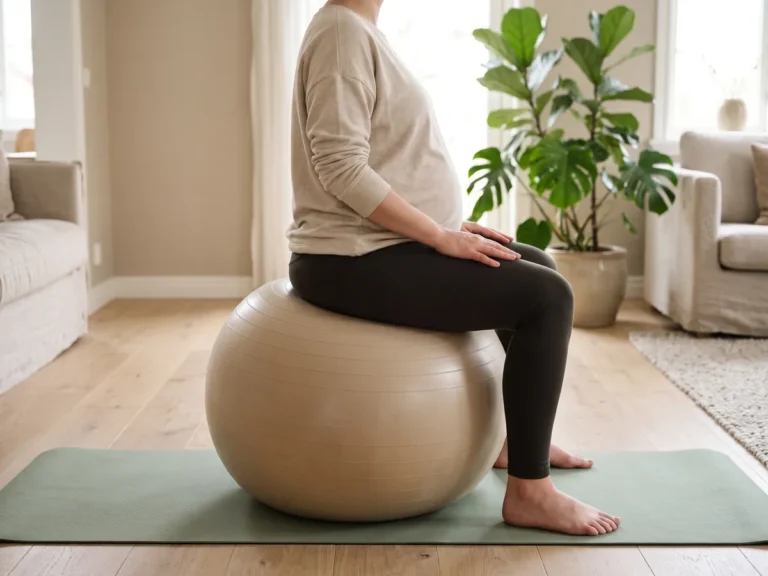
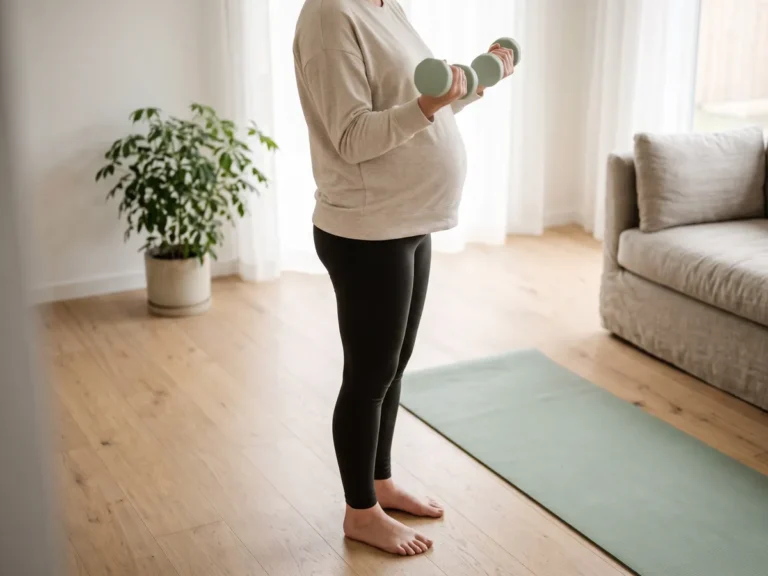
Staying active in pregnancy supports your fitness, posture, mood and recovery. Walking, swimming, pregnancy yoga or Pilates and strength exercises adapted for pregnancy can all be helpful.
5. Look after your bowels
Avoid straining by eating plenty of fibre, drinking enough fluids and using a small footstool on the toilet. My article on constipation and the pelvic floor has more tips.
6. Think about positions for birth
Upright and side-lying positions can give your baby more room and may reduce pressure on your perineum. Talk to your midwife about your options and what feels right for you.
Planning for after birth
However your baby is born, your pelvic floor and tummy muscles will need time to recover. Gentle pelvic floor exercises and breathing can usually be started in the days after birth, once you feel comfortable. If you have a caesarean, you may find my article on C-section scar rehabilitation helpful.
How physiotherapy can help
As a women’s health physiotherapist, I can help you prepare for birth with:
- a pelvic floor assessment, to check you’re contracting and relaxing correctly
- an individual exercise programme for pregnancy
- help with pelvic girdle pain, back pain or leaking
- guidance on perineal massage and breathing
- a plan for your recovery after birth
After your baby arrives, a Mummy MOT is a thorough postnatal check to help you recover with confidence.
Book a Pelvic Health Assessment in Saffron Walden.