
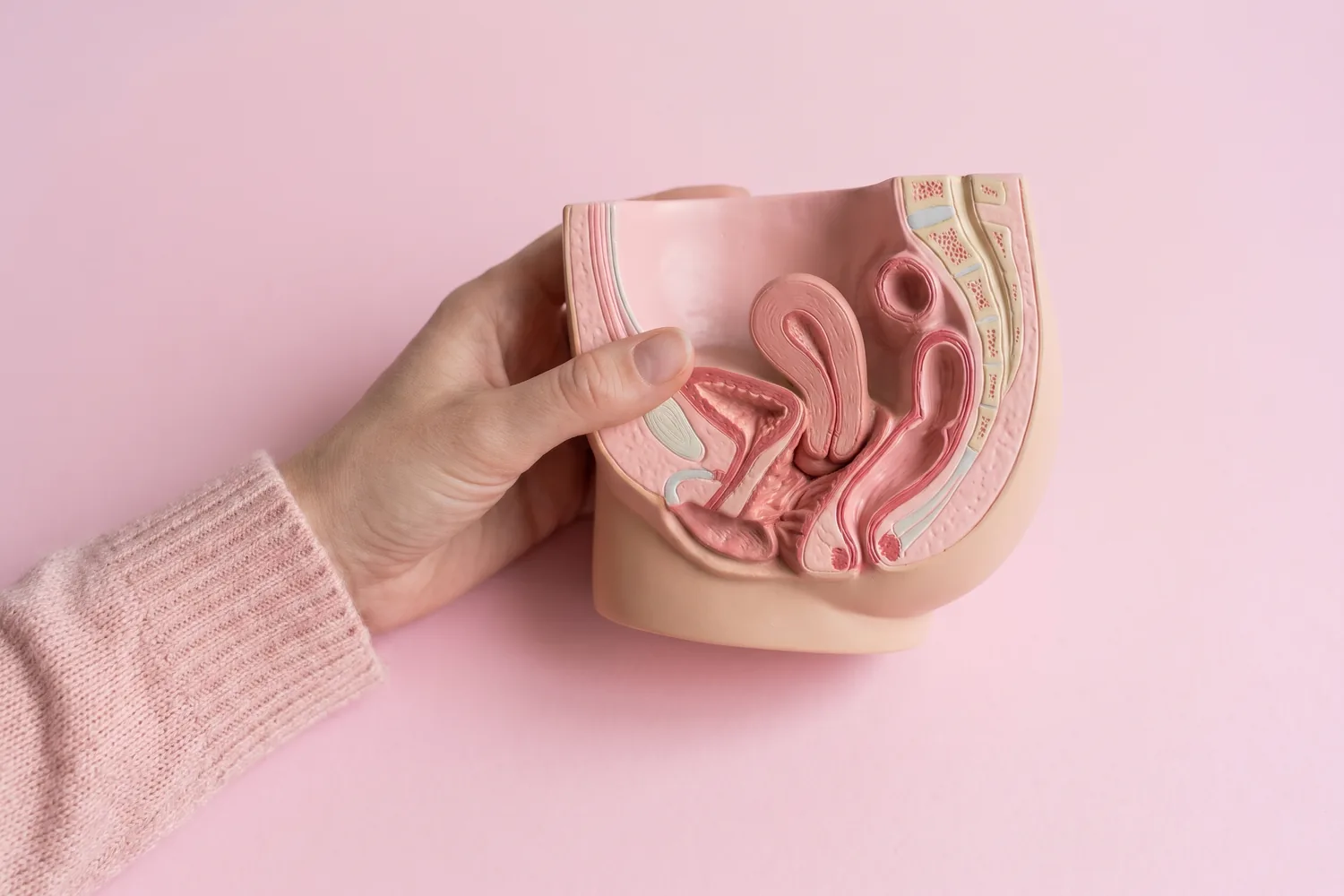
Pelvic organ prolapse: the 7 Ps every woman should know
Pelvic organ prolapse can feel worrying, confusing, and, let’s be honest, a bit overwhelming to talk about. Many women I see in clinic arrive thinking something has “gone terribly wrong” or that surgery is inevitable.
The good news? In many cases, pelvic organ prolapse can be managed very effectively with the right support, education, and rehabilitation.
I like to break it down into the 7 Ps to help make sense of it all:
- Panic
- Pressure
- Pelvic floor
- Posture
- Post natal
- Perimenopause
- Pessary
1. Panic
Let’s start here, because this is where most women are when they come into my clinic.
That sudden feeling of a bulge, heaviness, or something “not quite right” can be alarming. Many women worry they’ve caused damage, that their body is failing them, or that things will only get worse.
But panic, while completely understandable, isn’t helpful long-term.
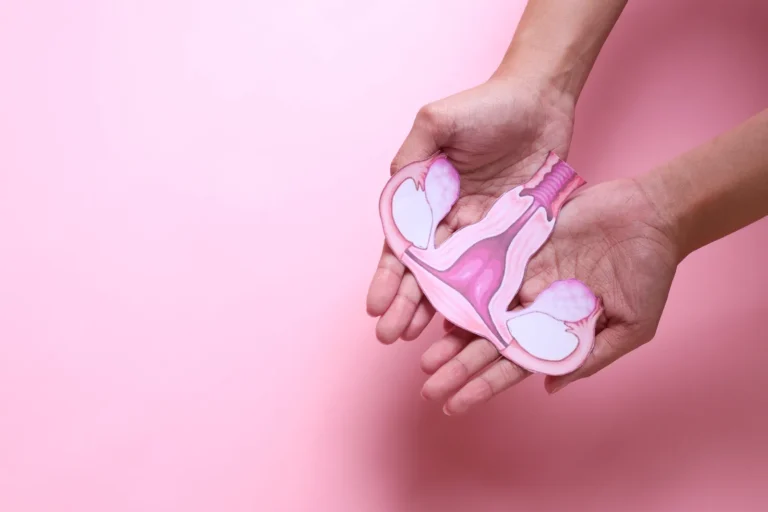
Pelvic organ prolapse is common, especially after childbirth and during hormonal changes. It doesn’t mean you’re broken, and it certainly doesn’t mean you’ve done anything wrong.
Understanding what’s happening is the first step towards regaining confidence.
2. Pressure
One of the most common symptoms of prolapse is a feeling of pressure or heaviness in the vaginal area, often described as a dragging or “bearing down” sensation.
This feeling can fluctuate. It is often:
- Worse at the end of the day
- More noticeable after long periods standing
- Triggered by heavy lifting, constipation, or high-impact exercise
This is because prolapse symptoms are closely linked to intra-abdominal pressure: the pressure inside your abdomen that loads the pelvic floor.
Learning how to manage pressure (through breathing, movement, and daily habits) is the most important part of treatment, and often brings significant relief.
Often simple changes create significant improvement in symptoms, such as:
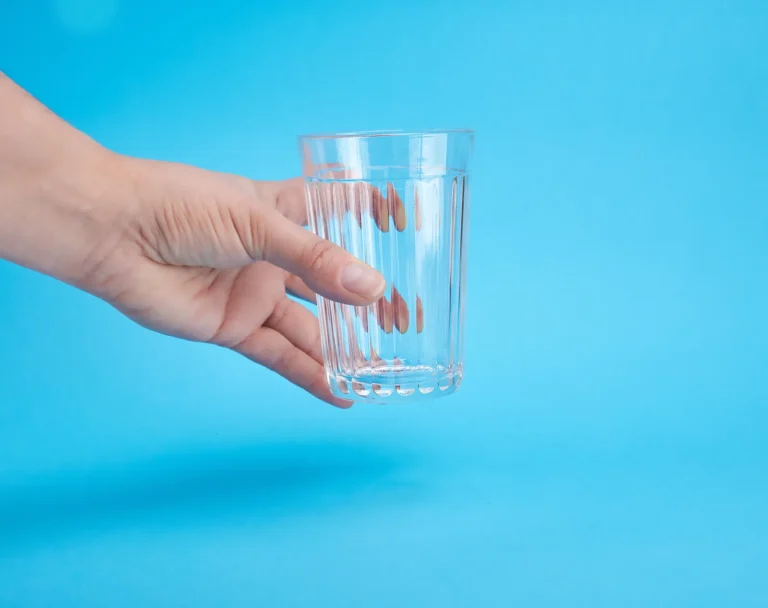
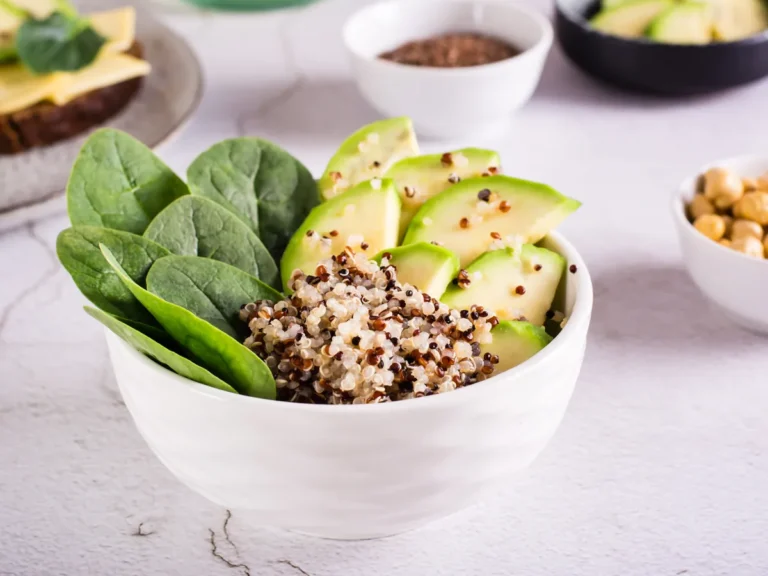
- Drinking more water to improve constipation.
- Sitting correctly on the loo. This can make a huge difference to how easily you can open your bowels. If you reduce the need to strain, this will reduce the pressure you exert on the pelvic floor.
3. Pelvic floor
Your pelvic floor is your foundation of support.
When it’s working well, it helps:
- Support your pelvic organs
- Manage pressure from above
- Maintain continence and control
But it’s not just about “strength”.
A well-functioning pelvic floor needs:
- Strength (to support)
- Coordination (to respond to load)
- Relaxation (to avoid over-tension)
Pelvic floor exercises can be incredibly helpful, but only when done correctly and as part of a whole-body approach.
This is where working with a women’s health physiotherapist can make a real difference. Understanding the strength of your pelvic floor will help guide you with what could be contributing to your prolapse symptoms.
This is where an internal examination will be recommended, as this will help your physio teach you how to use your pelvic floor muscles correctly, how to progress your strengthening programme and integrate it into your functional activities.
For more information on what an internal examination involves, go to FAQs.
4. Posture
Posture plays a bigger role than most people realise.
It’s not about sitting or standing “perfectly straight”, but about how your body manages load and pressure throughout the day.
Positions that increase downward pressure, like sustained slumping or breath-holding during effort, can make symptoms feel worse.
Instead, aim for:
- A stacked ribcage over pelvis
- Relaxed, natural alignment
- Coordinated breathing with movement
Good posture supports better pressure management, which in turn supports your pelvic floor. This is where a pelvic health physiotherapist can really assist you in finding your ideal alignment to optimise your core support system.
5. Post natal
Pelvic organ prolapse is very common after pregnancy and birth due to a number of factors:
- Increased load going through the pelvic floor
- Changes in posture
- Weakness or dysfunction following a delivery that involved prolonged pushing, assisted delivery (including forceps or ventouse), or significant perineal tearing, which can place extra stretch and load on the pelvic floor
Importantly: early symptoms don’t mean permanent problems.
With the right support, many women improve significantly through:
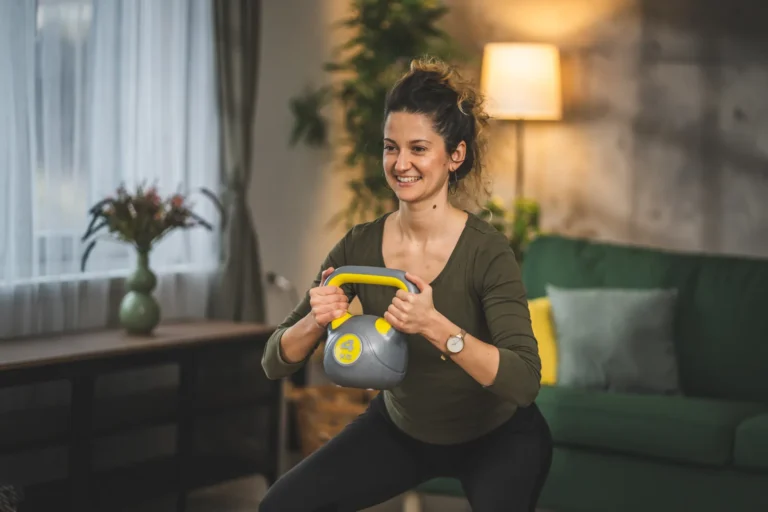
- Gradual return to exercise
- Pelvic floor rehab
- Managing lifting and daily load
- Optimising breathing and core function
Guidance during this stage can make a huge difference, not just physically, but in how confident you feel in your recovery.
6. Perimenopause
Hormonal changes during perimenopause and menopause can really influence prolapse symptoms.
As oestrogen levels decline, tissues may become:
- Less elastic
- Thinner
- More sensitive
This can make symptoms more noticeable, even without major structural change.
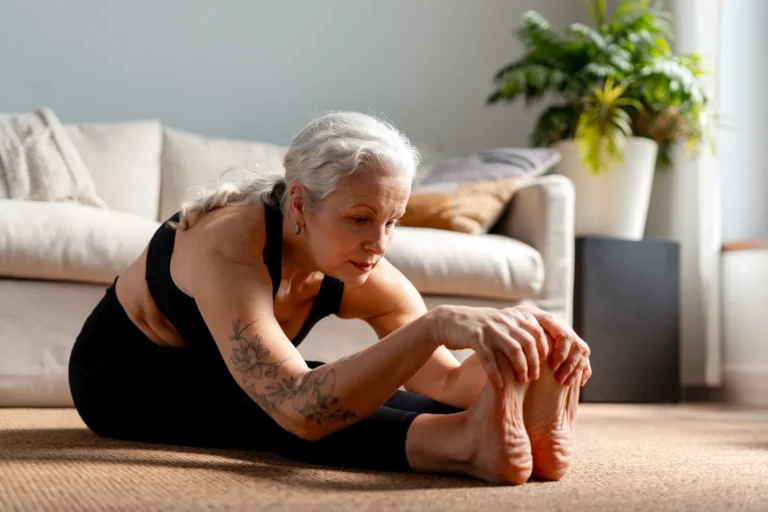
Pelvic floor physiotherapy can help to train the pelvic floor muscles to be both stronger and flexible, supportive and resilient for what life throws your way.
7. Pessary
A pessary is a small silicone device inserted into the vagina to provide mechanical support to the pelvic organs.
For many women, pessaries can really help manage their prolapse so they can stay active.
They’re not a last resort. They’re simply one of the tools available to help you feel better and move more confidently. When you find the right type and size, a pessary can significantly offload your tissues and help your pelvic floor provide its supportive role.
Take back control
Pelvic organ prolapse is not just a structural issue. It is a condition that responds well to education, movement, and support.
By addressing the 7 Ps:
- Reducing panic
- Managing pressure
- Rehabilitating the pelvic floor
- Improving posture and movement patterns
- Supporting recovery post natally
- Adapting through perimenopause
- Considering a pessary where helpful
…you can take back control and feel more confident in your body again.
If you’re experiencing symptoms of prolapse, you don’t have to just “put up with it”.
With the right pelvic floor assessment and rehab plan, it’s absolutely possible to reduce symptoms, stay active, and feel stronger in your body.
Book in for your Women’s Health Physiotherapy Initial Appointment in Saffron Walden.