
Taking a holistic approach to bladder health
If you’ve had one urinary tract infection after another, you’ll know how miserable, disruptive and frustrating it can be. Many women I see in clinic have had course after course of antibiotics and are left wondering why the infections keep coming back.
Antibiotics have an important place in treating an infection. But when UTIs keep returning, it’s worth looking beyond the bladder at what else might be going on.
Understanding recurrent UTIs
A UTI is usually described as recurrent when you have two or more infections in six months, or three or more in a year.
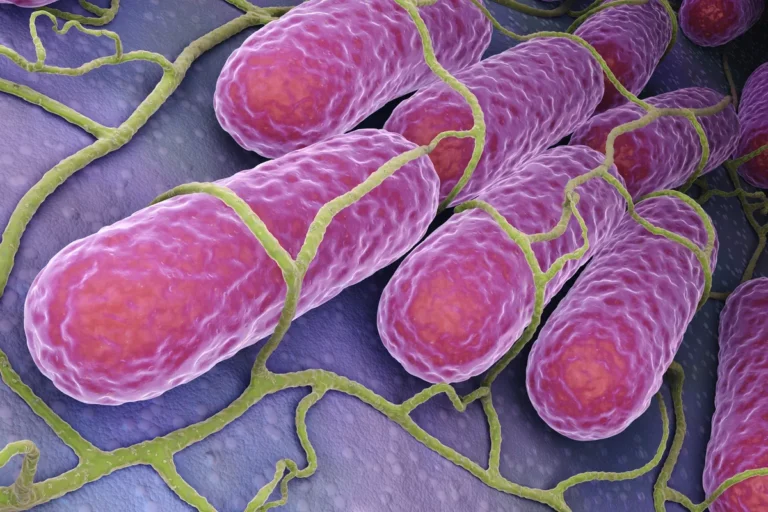
Infections can keep returning for a number of reasons, including:
- the bladder not emptying fully
- changes in the vaginal microbiome
- falling oestrogen levels during perimenopause and menopause
- constipation and bowel habits
- pelvic floor muscles that aren’t working as well as they should

Common symptoms
- Urgency: a sudden, strong need to pass urine
- Frequency: needing to go more often than usual
- Burning or stinging when you pass urine
- Discomfort low in your tummy or around the pelvis
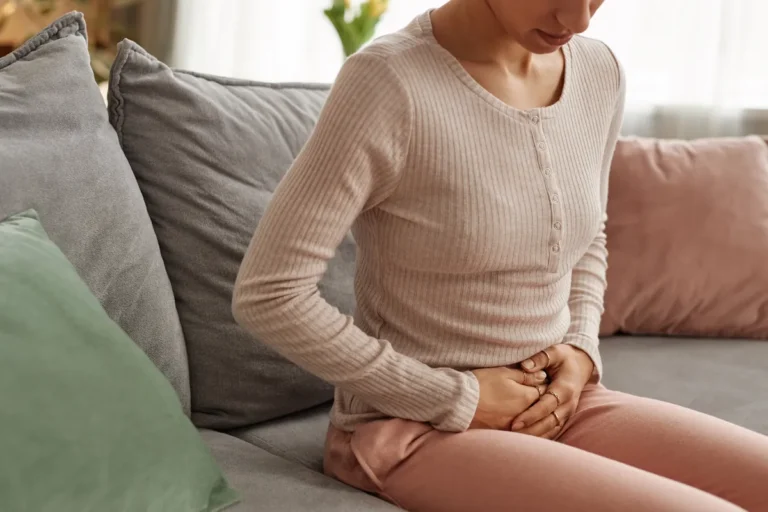

Some of these symptoms can also come from an irritable bladder or a tense pelvic floor, even when no infection is found. This is one reason it’s so important to look at the whole picture.
If you think you have a UTI, always speak to your GP or pharmacist. Get urgent medical help if you have a high temperature, pain in your back or side, blood in your urine, or you feel generally unwell, as these can be signs the infection has spread.
Beyond the bladder
Pelvic floor dysfunction. Your pelvic floor muscles need to contract to keep you continent, but they also need to relax fully to let your bladder empty. If they’re weak, tense or not coordinating well, your bladder may not empty properly.
Bladder emptying. Urine left behind in the bladder gives bacteria more chance to multiply. Rushing, hovering over the toilet seat and straining can all make it harder to empty fully.
Prolapse. A prolapse, particularly of the bladder, can change its position and make it harder to empty completely. You can read more in my guide to pelvic organ prolapse.
The vaginal microbiome connection
A healthy vagina is home to “good” bacteria, mainly lactobacilli. They keep the vagina slightly acidic, which helps protect against the bacteria that cause UTIs.
When this balance is disrupted, for example by repeated antibiotics, hormonal changes, perfumed soaps or some lubricants, infections can find it easier to take hold.
Pelvic Relief has some helpful information on bladder and urology health.
The hormone connection
Oestrogen helps keep the tissues of the vagina and urethra thick, elastic and healthy, and supports those protective lactobacilli.
As oestrogen declines during perimenopause and menopause, these tissues can become thinner and drier, and the vagina becomes less acidic. This can make you more susceptible to UTIs.
Vaginal oestrogen can help to restore these tissues and may reduce recurrent infections. It’s well worth discussing with your GP.
A holistic approach
- Hydration: drink regularly through the day so your urine is a pale straw colour. Concentrated urine can irritate the bladder.
- Bladder habits: try not to go “just in case”. Sit down fully on the toilet rather than hovering, take your time, and empty your bladder after sex.
- Bowel health: constipation puts pressure on the bladder and can stop it emptying fully, so fibre, fluids and movement all help. Always wipe from front to back.
- Pelvic floor assessment: finding out whether your pelvic floor is weak, overactive or not coordinating well.
- Medical management: working with your GP or urologist on antibiotics, vaginal oestrogen or further tests where needed.
How physiotherapy can help
As a women’s health physiotherapist, I look at everything that might be contributing to your symptoms, not just the bladder on its own. Physiotherapy can help by:
- assessing and treating pelvic floor dysfunction, whether your muscles are weak, overactive or poorly coordinated
- easing muscle tension with relaxation, breathing and manual therapy
- retraining your bladder habits and helping your bladder empty fully
- addressing contributing factors such as constipation, prolapse and hormonal changes
- working alongside your GP so your care is joined up
You don’t have to just put up with it
Recurrent UTIs are common, but that doesn’t mean you have to accept them as part of life.
By looking at your pelvic floor, bladder habits, bowel health and hormones together, it’s often possible to break the cycle and feel more confident in your body again.
Book in for your Women’s Health Physiotherapy Initial Appointment in Saffron Walden.