When pain doesn’t add up
I often see women who have had hip, groin or lower back pain for months, sometimes years. They’ve rested, stretched, had treatment for their back or hip, and yet the pain keeps coming back. Very often, nobody has looked at their pelvic floor.
The answer to the question is yes: pelvic floor dysfunction can contribute to pain in the hips, groin and lower back.
Why they’re connected
Your pelvic floor doesn’t work on its own. It attaches to your pelvis, tailbone and pubic bone, and works as a team with your deep tummy muscles, the muscles around your hips, your back and your diaphragm. Together they support your spine and pelvis as you move.
One of the deep hip muscles, obturator internus, actually shares a connection with the pelvic floor. So when one part of the system isn’t working well, the others often have to pick up the slack.
How the pelvic floor can cause pain elsewhere
- Tension. An overactive pelvic floor can refer pain into the hips, groin, buttocks, tailbone and lower back.
- Weakness or poor coordination. If your pelvic floor and deep core aren’t supporting your pelvis well, the muscles around your hips and back may overwork, become tired and painful.
- Protective guarding. Pain anywhere in this area can cause the pelvic floor to tighten in response, which can keep a cycle of pain going.
- Pregnancy and birth. Changes to the pelvic floor, tummy muscles and pelvic joints can lead to ongoing pelvic girdle, hip or back pain long after your baby is born.
- Menopause. Falling oestrogen affects muscles, tendons and connective tissue, and can change how your pelvic floor works. You can read more in my article on hormones and pain.
Signs the pelvic floor may be involved
It’s worth having your pelvic floor assessed if your hip, groin or back pain comes with any of these:
- bladder symptoms such as urgency, frequency or leaking
- constipation or difficulty emptying your bowels
- painful sex
- pain when sitting for long periods
- pain that started during pregnancy, after birth or around menopause
- pain that hasn’t improved with treatment focused only on the back or hip
Please see your GP promptly if you have back pain with numbness around your bottom or genitals, new difficulty passing urine or controlling your bladder or bowel, or weakness in your legs, as these need urgent medical attention.
How physiotherapy can help
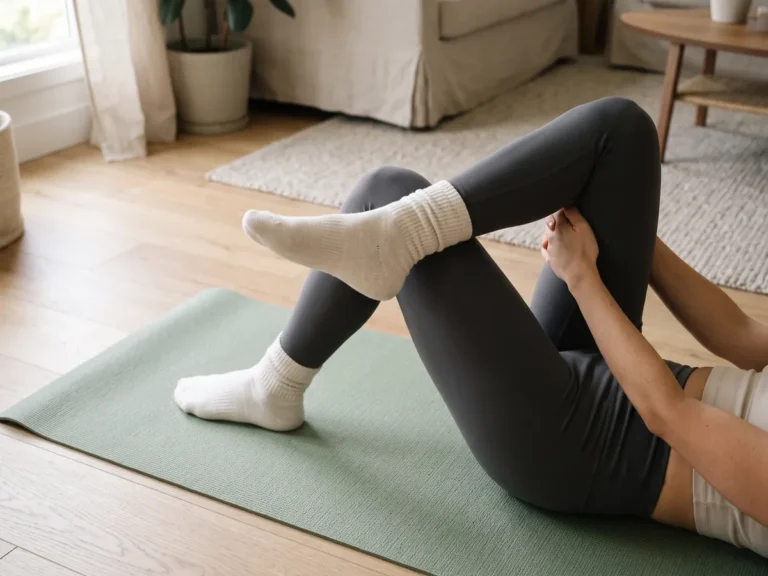
Because these areas are so closely linked, I look at the whole picture rather than just the place that hurts. As a women’s health physiotherapist, my assessment covers your back, hips and pelvis as well as your pelvic floor. Treatment may include:
- pelvic floor relaxation or strengthening, depending on what your muscles need
- breathing and deep core retraining
- hands-on treatment for muscles and joints
- a progressive exercise programme for your hips, back and core
- advice on posture, sitting and everyday movement
Looking at the whole picture
If hip, groin or lower back pain keeps coming back, it may be time to look a little deeper. Getting to the root of the problem is often the key to lasting relief.
Book a Pelvic Health Assessment or Musculoskeletal Physiotherapy appointment in Saffron Walden.