
Why pain can change around menopause
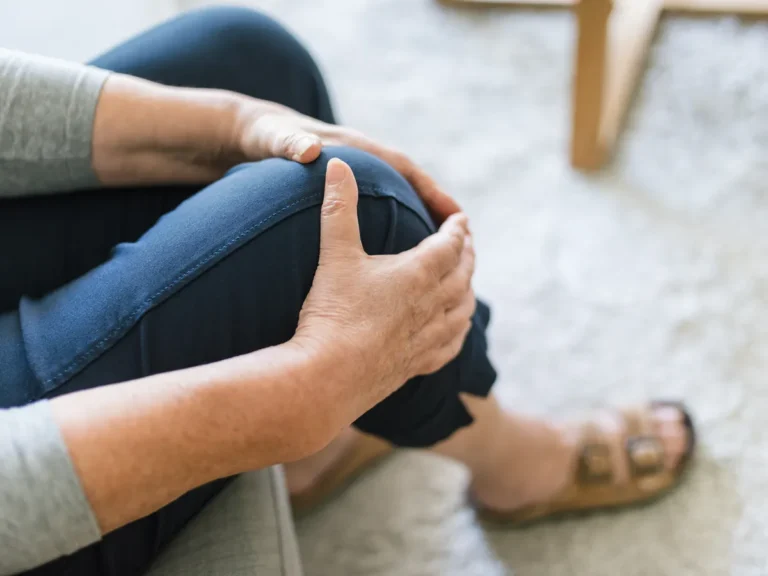
Many women I see in clinic are surprised to find that aches and pains seem to appear from nowhere during perimenopause and menopause. Stiff joints, sore muscles, niggling tendons and pelvic discomfort are all really common, and hormones play a bigger part than most people realise.
Understanding what’s going on can make a huge difference. It helps you see that these changes aren’t “just getting older”, and that there is plenty you can do about them.
Understanding hormonal changes
During perimenopause, levels of oestrogen and progesterone rise and fall unpredictably before gradually declining through menopause.
Oestrogen in particular does far more than regulate periods. It supports muscles, joints, tendons, bones, the pelvic floor and the vaginal tissues, and it even influences how your nervous system processes pain. When levels fluctuate and fall, you can feel the effects throughout your body.
Musculoskeletal pain
Oestrogen helps to keep joints lubricated, tendons healthy and muscles strong. As it declines, many women notice:
- joint stiffness, especially first thing in the morning
- muscle aches and slower recovery after exercise
- tendon pain, such as in the hip, shoulder or Achilles
- a gradual loss of muscle strength and bone density
Pelvic health
Falling oestrogen also affects the tissues of the vagina, vulva and bladder, which can become thinner, drier and more sensitive. This can lead to:
- vaginal dryness and discomfort
- painful sex
- changes in pelvic floor strength and function
- bladder symptoms such as urgency, frequency or recurrent UTIs
These symptoms are common, but they’re not something you have to put up with.
Pain sensitivity
Hormones don’t just affect your tissues. They also influence your nervous system and how sensitive you are to pain.
When hormone levels fluctuate, you may find that pain feels more intense, lasts longer or is harder to settle. Poor sleep, stress and fatigue, which are all common during menopause, can make this sensitivity even greater.
What can help?
- HRT: for many women, hormone replacement therapy can help with joint pain, muscle aches and pelvic symptoms. It’s worth discussing with your GP or a menopause specialist.
- Strength training: one of the most effective ways to protect your muscles, bones and tendons. You can read more in my article on menopause and strength training.
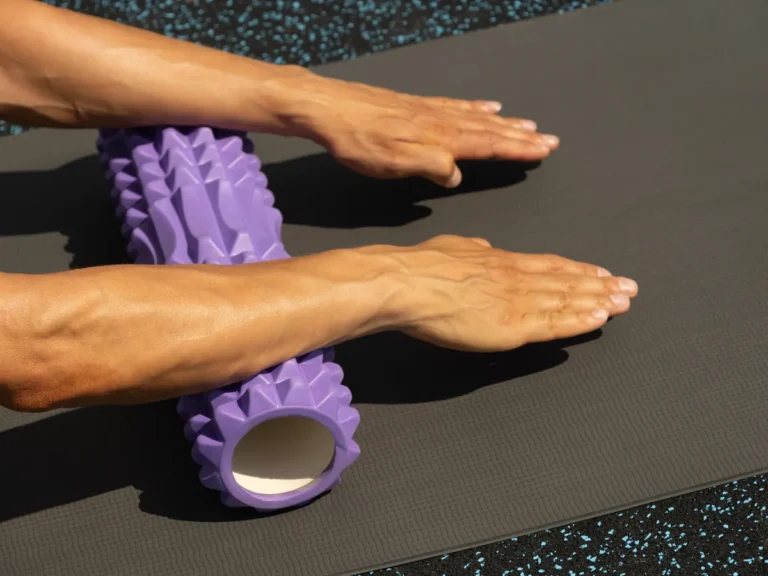
- Movement: regular, varied movement keeps joints mobile and helps to calm a sensitive nervous system.
- Sleep: good sleep lowers pain sensitivity and supports recovery.
- Recovery: building in rest days and listening to your body helps you keep progressing without flare-ups.


How physiotherapy can help
As a women’s health and menopause physiotherapist, I look at how hormonal changes are affecting you as a whole, not just the area that hurts. Physiotherapy can help by:
- improving strength with a progressive, individualised exercise programme
- restoring mobility in stiff joints and muscles
- supporting tissue function, including tendon and pelvic floor health
- helping you manage pain with education, hands-on treatment and practical strategies
You don’t have to just put up with it
Aches and pains during perimenopause and menopause are common, but they’re not inevitable, and they’re not something you have to accept.
With the right support, it’s possible to stay strong, active and confident in your body through menopause and beyond.
Book your Menopause MOT in Saffron Walden.